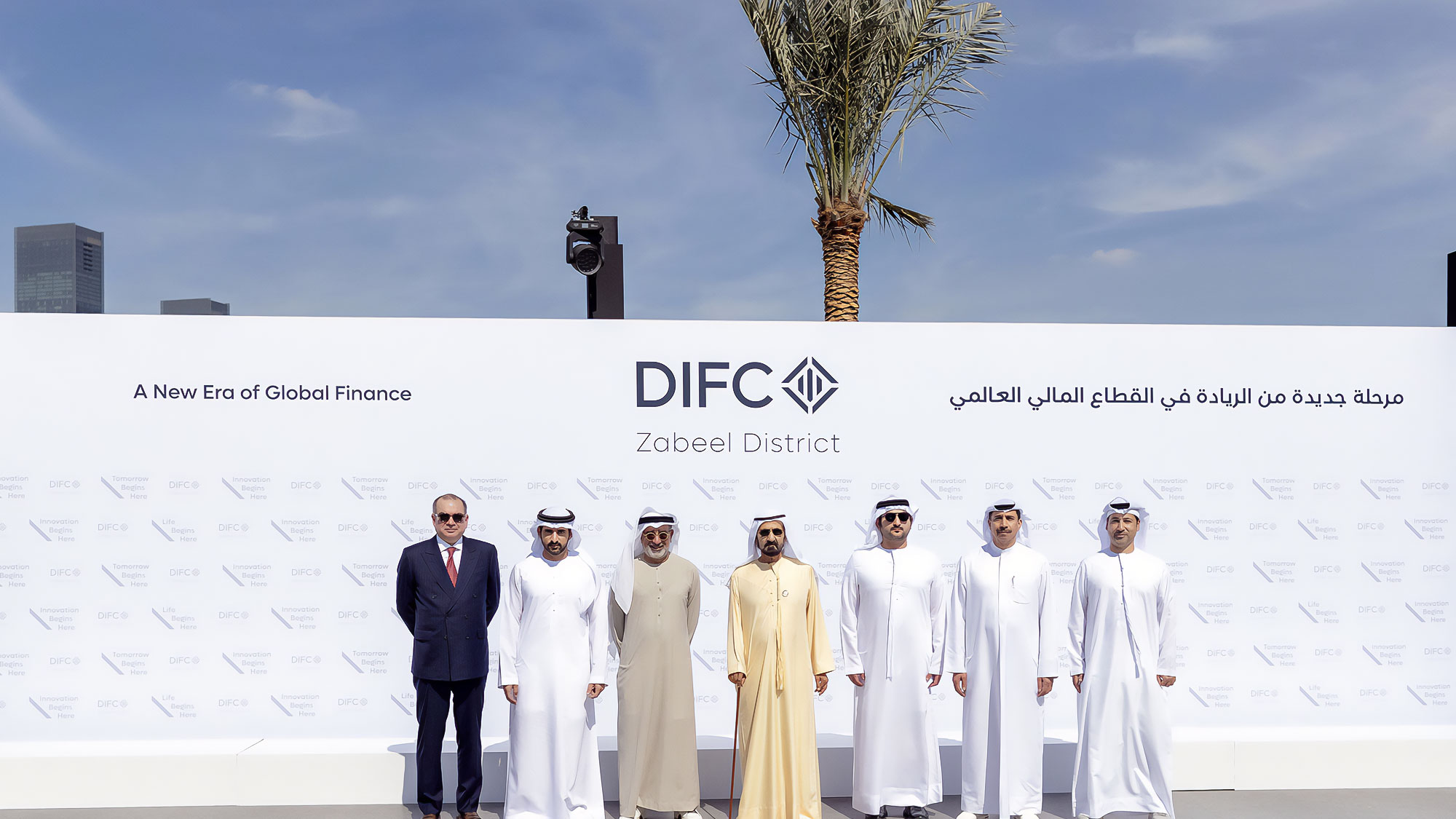

Further advancement is expected in Dubai as the government launched 3 new future-focused projects under the ‘Dubai 10X’ program. Led by the Dubai Future Foundation, these initiatives focus on mobility, health, and travel — advancing the city’s innovation-driven economy, thereby providing entrepreneurs more confidence to start their businesses in Dubai.
Announced by H.H. Sheikh Hamdan bin Mohammed bin Rashid Al Maktoum, Crown Prince of Dubai, Deputy Prime Minister, Minister of Defence, and Chairman of the Board of Trustees of the Dubai Future Foundation, the program’s 3rd phase is a joint effort to encourage innovation across different organisations. It is led by the Dubai Future Foundation and supports the Dubai Economic Agenda 2033.
The 3rd phase prioritises integrated execution across entities, reflecting the maturity of Dubai’s business environment. The 3 objectives were chosen from a pool of 79 proposals submitted by more than 120 employees from 33 Dubai government institutions. A few of the concepts required participation from as many as 11 entities.
The projects were judged on how quickly they could be put into action, how well they brought different entities together, and how much they could improve the quality of life. Notably:
Led by the Dubai Health Authority, the Disease Early Detection System targets predictive and preventative healthcare. Its pilot program focuses on diabetes, which costs the government an estimated AED2.78 billion annually.
The system brings together major healthcare institutions, including Aster Clinics, King’s College Hospital London, Canadian Specialist Hospital, and Medcare Hospital. By using early detection and data-driven diagnostics, the initiative supports Dubai’s ambition to become a regional hub for health technology and medical innovation.
The Roads and Transport Authority is piloting a ‘20-minute city’ model in Al Barsha 2. The goal is for residents to access 80% of essential services within 20 minutes via walking, cycling, or sustainable transport.
Developed with Dubai Municipality and Dubai Police, the project seeks to improve urban connectivity, road safety, and environmental sustainability. For businesses, better mobility infrastructure supports workforce efficiency, local commerce, and SME growth.
Spearheaded by Dubai Aviation Engineering Projects, the City Terminal Project allows travelers to check in at multiple city locations and travel directly to airport terminals via secure transport.
This system will help ease congestion at the airport and optimise travel operations. This objective is a joint effort with the Dubai Civil Aviation Authority, Dubai Airports, Emirates, e& Group, Dubai Police, and the General Directorate of Identity and Foreigners Affairs-Dubai.
The 3.0 objectives under the Dubai 10X initiative complement the city’s economic growth by accelerating cross-sector innovation and future-ready infrastructure. In fact, Dubai’s GDP grew by 5.3% in Q3 2025 to AED113.8 billion, while output reached AED355 billion in the first nine months of the year. This information was recently shared by H.H. Sheikh Hamdan bin Mohammed via LinkedIn.
The Dubai 10X model illustrates how public innovation directly influences opportunities for businesses based in the city. Enhanced mobility benefits sectors such as retail, services, and logistics; predictive healthcare drives advancements in health technology and data analytics; and improved travel systems support tourism, aviation, and trade.
These developments, therefore, not only strengthen the business environment but also open up greater prospects for MNEs and SMEs in the city.
Don’t forget to share this post!
Join our network for the latest news, announcements and more.

Copyright © 2024 Seed Group. All Rights Reserved.
We use cookies to enhance your experience on our website. If you continue using this website, we assume that you agree with these. Learn more.

 Previous