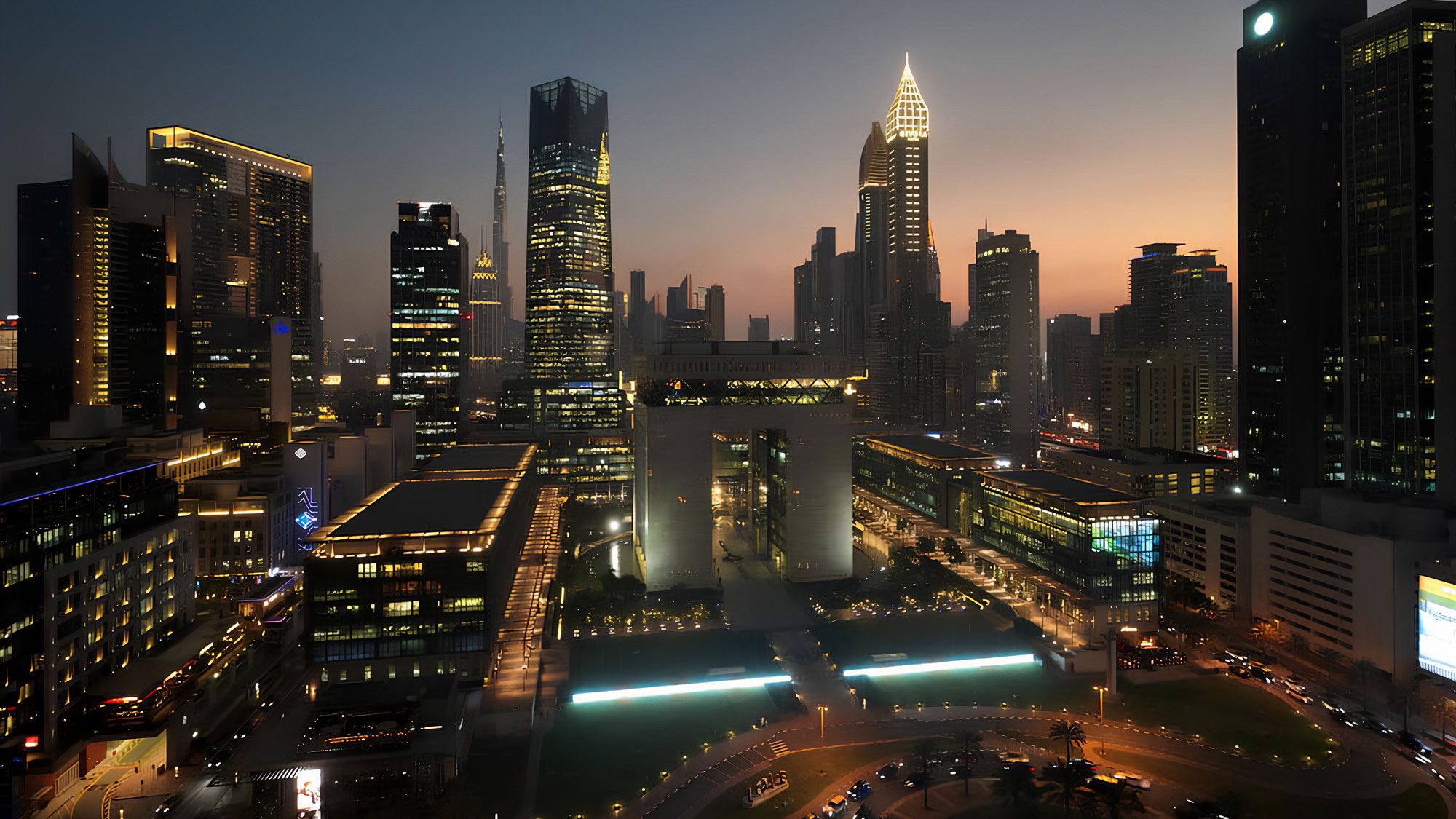
High-net-worth individuals (HNWIs) are playing a bigger role in driving Dubai’s economy, as their investment choices influence everything from private enterprise growth to national infrastructure projects. As global wealth becomes more mobile and selective, the UAE, particularly Dubai, has established itself as a strong hub for private capital, entrepreneurship, and long-term investment.
Recent insights from the Dubai International Financial Centre highlight how important HNWIs are for economic stability and growth across different sectors.
DIFC has released the first report in its 2026 Future of Finance series, titled Global Wealth Outlook: Rethinking Growth in a Changing World. It reveals that almost 23 million HNWIs worldwide control about US$87 trillion in wealth. It also projects that US$124 trillion will be transferred between generations by 2048, with women expected to receive 95% of an estimated US$54 trillion in transfers between spouses. This points to major changes in how wealth is managed.
Within this context, it’s necessary to highlight that the UAE attracts wealthy individuals from around the world. According to Henley & Partners, about 9,800 millionaires are estimated to have moved to the country in 2025— the highest net inflow worldwide. This trend is making the enterprise landscape even stronger, especially as investors now consider location as well as asset allocation when thinking about starting a business in Dubai.
That positioning is reinforced by the fact that DIFC now hosts more than 1,289 family-related entities, making it the UAE’s largest family wealth hub. As wealth holders seek resilience and diversification in private markets, AI, and sustainable assets, interest in doing business in Dubai is growing.
High-net-worth individuals are strengthening Dubai’s business environment by actively investing in private markets, new ventures, and technology companies. Rather than merely signalling wealth accumulation, this capital deepens market liquidity and broadens funding channels for growth-stage companies.
Family offices and private investors are playing a larger role in financing Dubai SMEs, particularly those focused on innovation and making a positive impact. As intergenerational wealth transfers accelerate, younger investors are directing capital towards technology or ventures oriented towards sustainability (e.g., green infrastructure). Thus, sustaining long-term liquidity across emerging industries.
At the same time, the government’s pro-business policies and incentives in key sectors complement this private capital activity. These facets collectively help global entrepreneurs set up or scale their businesses in Dubai with greater confidence.
As high-net-worth individuals invest more and set up family offices, there is a greater need for strong infrastructure, efficient logistics, and better urban connections.
The Ministry of Energy and Infrastructure is leading major national projects to boost readiness. For example, the Emirates Road Enhancement Project, worth AED750 million, will add 6 new bridges over 12.6 kilometres, handling up to 13,200 vehicles per hour. It also includes a 25-kilometre expansion that will increase capacity by up to 65% and cut travel times by as much as 45%.
Improved inter-emirate connectivity reduces supply-chain friction as well as supports SMEs and advanced service sectors. Parallel investments in water infrastructure and smart government buildings in Dibba Al Fujairah and Dibba Al Hisn further strengthen operational resilience.
Therefore, modern infrastructure and private investment create a cycle that boosts competitiveness, jobs, and innovation.
Dubai’s rising HNWI base, world-class infrastructure, and supportive institutions create a conducive environment for investors and innovators evaluating how to start a business in Dubai. Projects that improve roads and smart infrastructure boost connectivity and sustainability, making the city an even better place for institutional investors, global family offices, and growth-stage ventures.
Don’t forget to share this post!
Join our network for the latest news, announcements and more.

Copyright © 2024 Seed Group. All Rights Reserved.
We use cookies to enhance your experience on our website. If you continue using this website, we assume that you agree with these. Learn more.

 Previous